
Conflict
It is hard to imagine that the Furzton lake area (see map) is a hotbed of environmental struggle. And yet there are so many uses to which the area is put, and so may species of plant and animal that are effected by what we do, that the place is positively seething.
The lake was constructed between 1978 and 1989 and construction of houses and offices is only now nearing completion in 2004, bringing the population of people and pets to a peak.
The main purpose of the lake is to act as a balancing lake to regulate storm water. Sometimes the level of the lake rises rapidly because of rain upstream or forecast, even though it has not rained in the area.
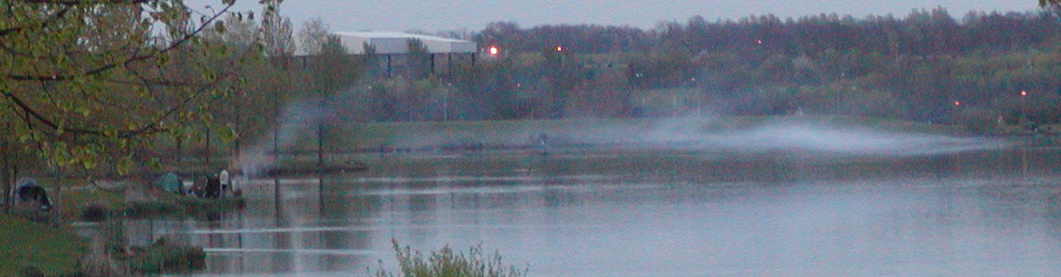
 The lake has become home to several species of birds, however, and others fly in to feed. Bird nesting at water level may find their nests drowned when the water level increases rapidly in the spring. Fishermen try to catch the large fish that have been introduced.
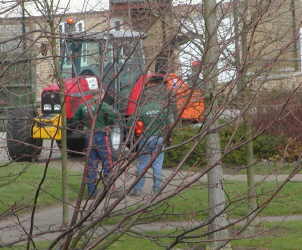 The lake is surrounded by grass and paths, but trees and shrubs have also been planted. A proportion of these are coppiced each year.
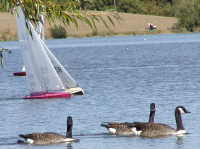 A model sailing boat club holds regular meetings and competitions. Others use the lake for unintended purposes - they fish in areas reserved for wildlife, sail motorised model vehicles, swim in the summer or walk on the ice in winter, and use it as a dump. Some like to feed the birds, but this leads to localised erosion and build-up of guano. Some birds get caught up in discarded fishing tackle or litter. Dogs chase birds, and occasionally catch the sick or unwary. They also add to the guano and noise.
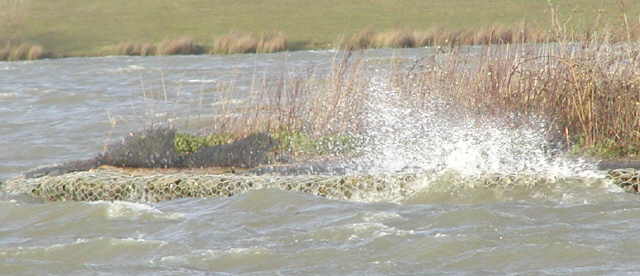
The gabions put in place to prevent further erosion are bad for wading birds, who are to be seen less frequently, but good for rodents.
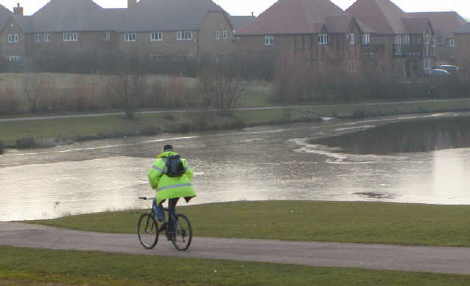
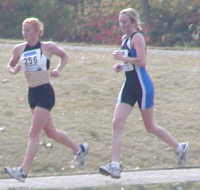 The paths around the lake are also put to multiple purposes. Pied wagtails catch insects, butterflies soak up the sun and house sparrows bathe in the dirt. People walk (with dogs, friends and/or children), cycle (it's on the National Cycle Network), or run (for exercise or competitions). Fishermen prepare to cast beside paths.
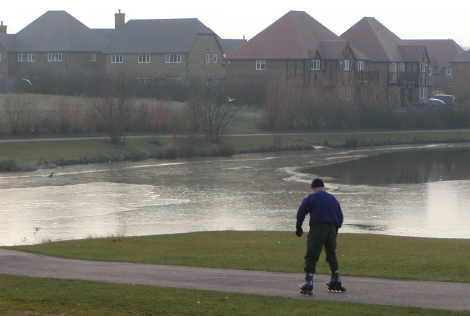
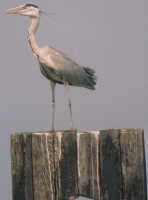 Artwork and buildings have reduced the apparent naturalness of the area. The birds don't mind the artwork - they perch and defecate on it.
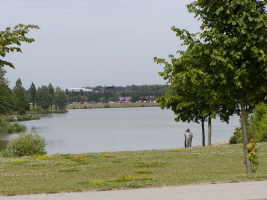 The area closest to the National Bowl used to be a breeding ground for skylarks, but also as a car park during events at the National Bowl adjacent. Other breeding sites were built over, and the birds have now gone. There is also a helipad there, and a mobile phone antenna on the adjacent roundabout.
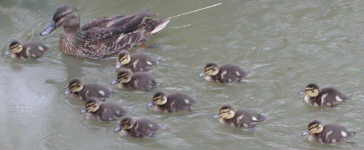 Birds which have benefited from the lake and the people that feed them are the ducks and Geese - particularly Canada Geese and mallards. Someone dumped some surplus white ducks, and they have interbred with the mallards. Greylag geese have interbred with the Canada Geese.
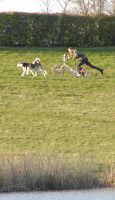 Sometimes people put the area to uses that were not intended.
So, there is a great deal of pressure on the Furzton environment, and there are winners and losers, and change continues. So, next time you take a walk around, don't expect it to be too peaceful!